Critical Power

Uninterruptible power supplies and Standby power solutions

Uninterruptible Power Supply (UPS)

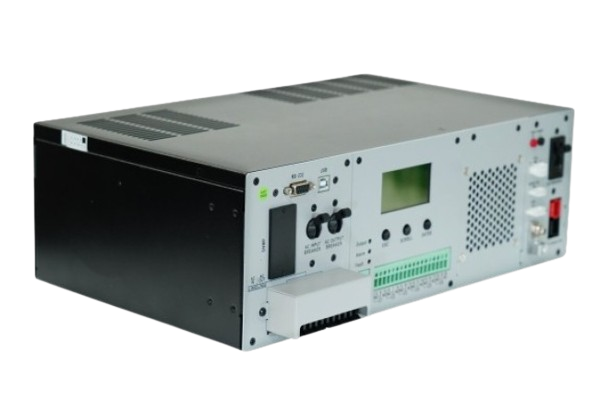
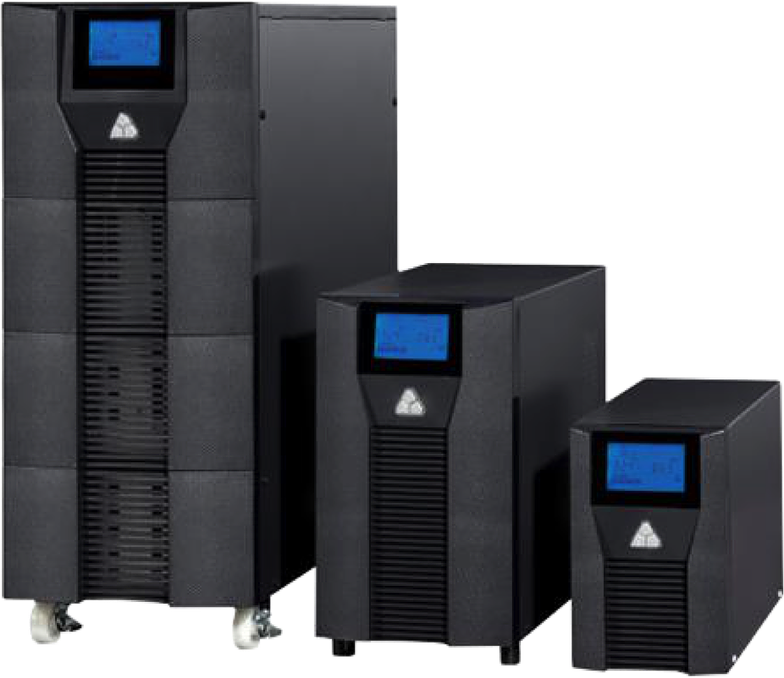
UPS is an acronym for uninterruptible power supply . a UPS is defined as a back-up power system used to ensure uninterrupted power for various electronic devices .The three basic types of UPS systems:

     • Standby power system (SPS) :
Most commonly used to protect POS equipment and single workstations. Monitors the power line. When a problem is detected, the SPS switches to battery power.

    • Line interactive :
Most commonly used UPS system for network environments .used for small networks up to enterprise applications. The inverter (a battery –to-AC power converter) is always connected to the UPS output.

The inverter operates in reverse during times when the input AC power is normal to provide battery charging.

    • Double conversion on-line UPS:
Most commonly used for mission critical applications: server farms, hospitals etc. avoids momentary power lapses by continuously providing power from its own inverter. The double conversion on-line UPS provides power from its own inverter even with proper power line functioning.

Why use a UPS power system for your server room or data center or any other critical applications/equipment?

A UPS has its own rechargeable battery which provides emergency power for your system immediately when the main supply is cut, thereby preventing data loss. In the event of a sustained power failure, the UPS will provide sufficient battery power for your files to be saved and for the whole system to be shut down in an orderly manner. If an alternative power source such as a generator is available, the battery will provide sufficient power to keep your system running until the secondary supply is brought online. UPS’s also filter the power supply entering your computer system , limiting the detrimental effect of “spikes”, “noise” and other electrical disturbances.
UPS
Static Transfer Switch

STATIC POWER’s Static Transfer Switch will transfer seamlessly to a secondary source if failure of the primary.
To avoid propagation of a current fault to the alternate source, iSTS will not transfer if a load is faulty. iSTS will inhibit any transfer till the fault is cleared.
If the fault is not cleared, iSTS protections will be actioned: the load and/or all loads connected to the iSTS will not be supplied.

Multiplying available sources and limiting the number of loads connected to one iSTS reduce System’s risk of failure

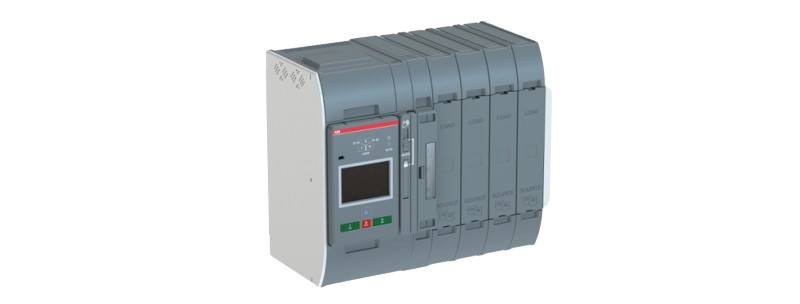
Load Automatic Transfer Switch (ATS)

In a critical power setting (such as a data center, hospital, or industrial control room), 
Load ATS refers to the automatic switching of essential electrical equipment between power sources to maintain uptime. It is the device that ensures the “load” (servers, life support, machinery) continues running smoothly when the primary utility power fails.

ATS
PMC
Power Monitoring and Control (PMC)

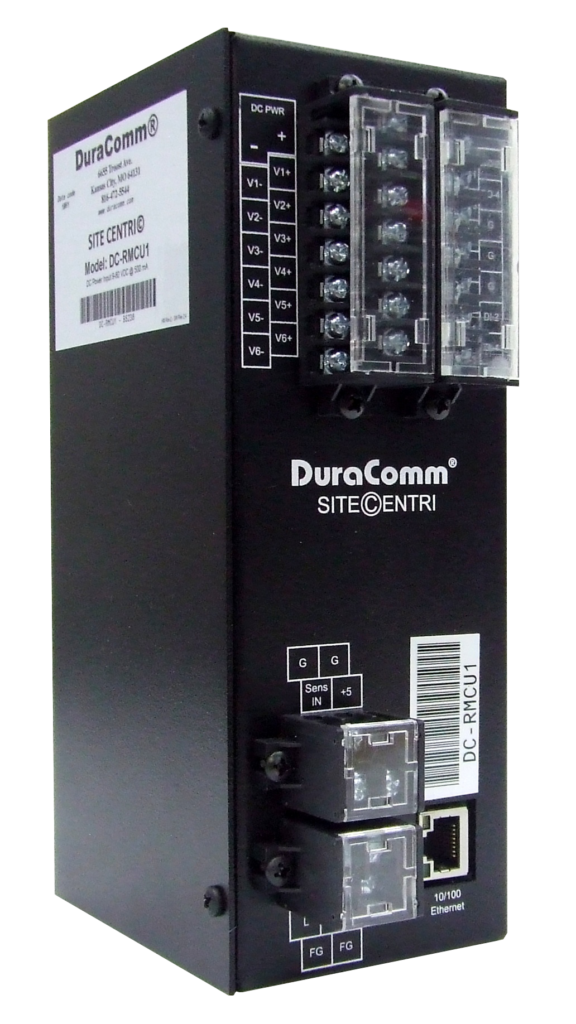
Power Monitoring and Control (PMC) refers to a networked system of intelligent hardware (meters, sensors, relays) and software that tracks the flow of electricity in real-time, analyzes power quality, and allows operators to manage electrical devices (like generators, ATS units, and circuit breakers) from a central location.

Outdoor UPS

An Outdoor UPS is a complete power protection system housed in a weatherproof and thermally managed enclosure (often NEMA-rated or an ISO container) designed for installation outside of traditional climate-controlled spaces. Its core job is to provide “clean,” instantaneous backup power to critical loads—like SCADA systems, cell towers, pipeline valves, or edge data centers—during a primary power failure, regardless of the outside conditions .

UPS